

Explainer
What is a supply chain breach?
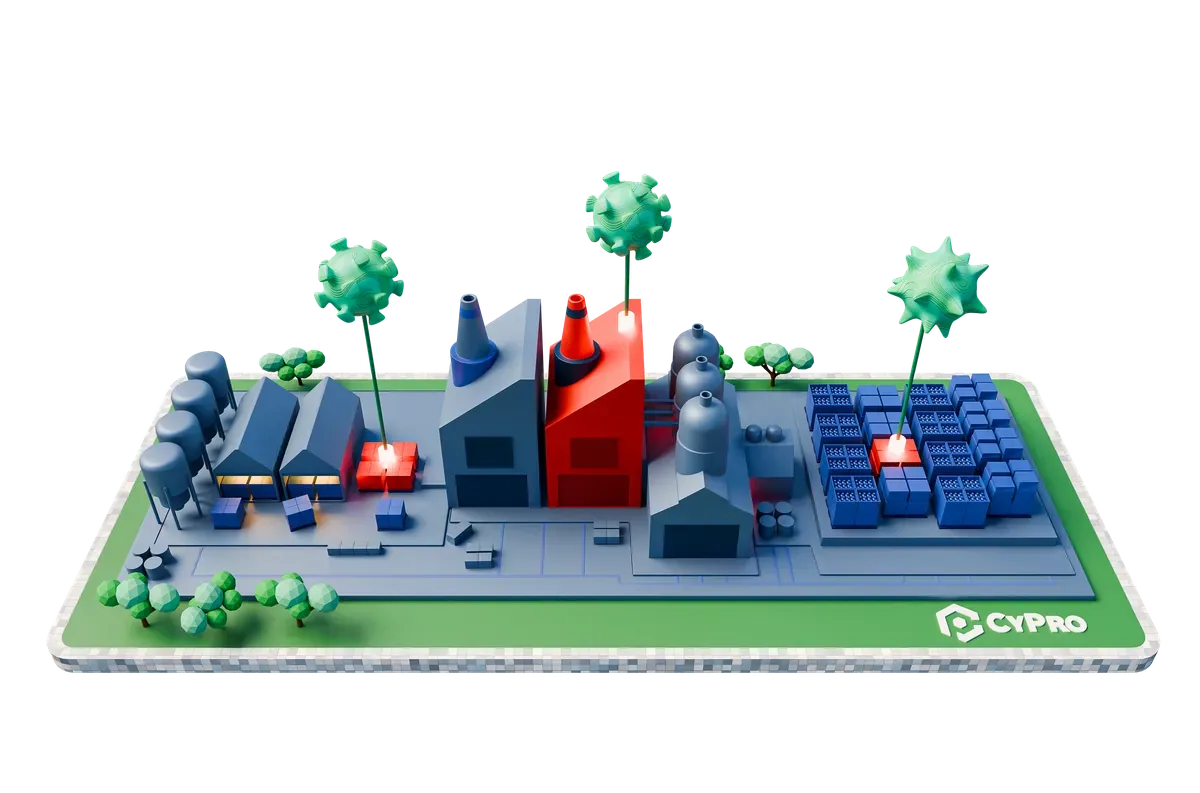
A supply chain breach is an incident at a supplier that exposes data or systems belonging to the organisations that use it. The victim often did nothing wrong except trust a supplier.
Last reviewed against BusinessCloud, The Guardian (via AOL) and Evening Standard (via AOL). Sources
The idea
Why suppliers matter
Supply chains can be complex, and the NCSC says weaknesses can be introduced or exploited at any stage [6]. An organisation can have strong controls of its own and still be affected when a supplier holds its data or runs part of its service. Harrods, for example, said its own systems were not targeted or compromised when a third-party supplier was broken into [5].
What can be exposed
Parts of a supplier relationship
Data held for you
Access you have granted
Accounts and connections that let a supplier reach your systems. The NCSC asks you to understand and control suppliers' physical and logical access to your systems, premises and information [11].
Software you run
Products and updates from a vendor. In the SolarWinds case, a malicious version of an Orion component was added to the vendor's software lifecycle and signed with its legitimate certificate [17].
Services you rely on
Online platforms and tools that your own operations depend on, so an incident can disrupt as well as expose.
The baseline
What the NCSC recommends
The NCSC has published twelve principles in four groups: understand the risks, establish control, check your arrangements and continuous improvement [10]. It also observes that setting a baseline standard for suppliers is still uncommon among UK businesses [6].
A practical starting point
Cyber Essentials certification offers a way to gain assurance that a supplier has put fundamental technical controls in place [6].
Next
Where to go from here
Key points
- How supply chain attacks happen covers the routes in.
- Case studies show them in real incidents.
- Checking your suppliers turns the principles into questions you can ask.
Keep reading
Read next

How it happens
The main routes into a supply chain breach, from poisoned software updates and exploited products to stolen supplier access, with sourced UK examples.
Read the guide
Controls
The controls that reduce supply chain breach risk: supplier tiering, contract requirements, incident terms, access limits, monitoring and exit planning.
Read the guide
Check suppliers
How to check the suppliers that hold your data: what to ask, what to record and what the NCSC's supply chain principles expect of UK organisations.
Read the guideHow CyPro can help
Need a hand working through this?
Finding out whether an incident reaches you is one job. Checking your own systems, tightening access and briefing the board are several more. CyPro's responders and consultants can take any of them on.
Incident response
If you may already be compromised, our responders contain it, preserve the evidence, find out what was touched and get you running again safely.
More on cypro.co.uk
24/7 security monitoring
Our SOC analysts watch your systems day and night for the signs of an attack in progress: unexpected processes, new outbound connections, logins that do not fit.
More on cypro.co.uk
Fractional CISO for the board
A senior security lead who advises the board on what to fix first, what to accept and what to tell customers, and owns the decision record.
More on cypro.co.uk
Penetration testing
A focused test of your systems and the controls around them, so you know they hold before an attacker finds out for you.
More on cypro.co.uk
Hardening and segmentation
Our consultants put the controls in place that limit the damage when something is missed: firewall rules, network isolation and tighter admin access.
More on cypro.co.uk
Vulnerability scanning
Find every internet-facing system you run, including the forgotten ones, and see which are still on a vulnerable build.
See the scanning service
Talk to a specialist
Worried this affects you?
Most supply chain breaches begin at a supplier, not at the organisation that suffers the consequences. CyPro's due diligence work looks at the security of the suppliers and partners that hold your data, so you know the answer before one of them has an incident.